Some trips are about the destination. These are about the moment the bass drops, the sun rises, or a hundred thousand strangers sing the same lyric back at once. Music festivals have become their own genre of travel — part pilgrimage, part fashion show, part fever dream — and every continent now has one worth crossing an ocean for.
Here are seven of the best music festivals in the world, chosen for atmosphere, lineup ambition, and the kind of detail that sticks with you long after your ears stop ringing.
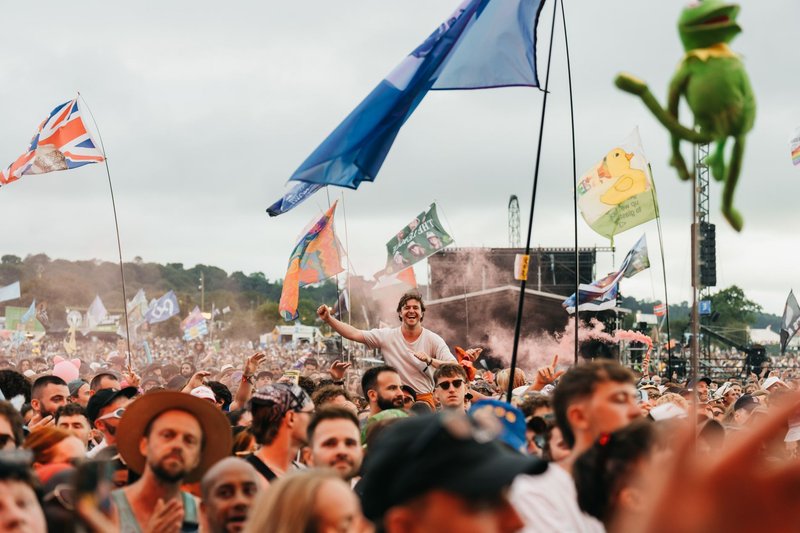
1. Glastonbury Festival — Somerset, England
Glastonbury isn’t just a festival, it’s a small temporary city built on a working dairy farm. The site is so large that first-timers are routinely advised to screenshot a map before their phone battery dies.
What makes it different
Beyond the Pyramid Stage headliners, Glastonbury hides entire sub-festivals within itself — the psychedelic sprawl of Shangri-La, the stone circle at dawn, a cabaret tent that never seems to close. You could attend five years running and still discover a corner you’ve never seen.
Good to know: tickets sell out in minutes, months before any artists are even announced. People buy blind, trusting the festival itself more than any lineup.
2. Tomorrowland — Boom, Belgium
If Glastonbury feels like a muddy fairytale, Tomorrowland feels like a fantasy film set built entirely from stage scaffolding. Every year brings an entirely new theatrical concept, with main-stage designs so elaborate they look more like film sets than concert rigs.
The global gathering
What sets Tomorrowland apart is its audience: attendees fly in from across the world, often staying in the on-site “DreamVille” campground, which functions like its own international neighborhood of flags and late-night singalongs. The electronic dance music lineup is stacked with the genre’s biggest names, but the real draw is the shared sense of spectacle.
3. Coachella — Indio, California, USA
Coachella practically invented the modern festival-as-content-machine, with its polo-field setting, art installations, and desert light turning every corner into a backdrop. It happens across two consecutive weekends, letting the production team essentially run the entire show twice.
Beyond the headliners
The genre mix here is wide — pop, hip-hop, indie rock, and electronic acts share the same weekend — and the art installations scattered through the polo fields are often as talked-about as the music itself. Giant sculptures and interactive pieces are commissioned specifically for the event and torn down when it ends, making the setting as temporary as the performances.
4. Rock in Rio — Rio de Janeiro, Brazil
Born in Brazil, Rock in Rio has grown into a traveling institution with editions in Lisbon and Las Vegas, but the original Rio event remains the one to chase. It’s held in a purpose-built “Cidade do Rock” (Rock City), a dedicated festival park constructed specifically for the event.
An audience that sings everything
What travelers consistently mention is the crowd’s sheer vocal commitment — entire stadiums singing full sets word-for-word, in English or Portuguese, regardless of the artist’s home country. The lineup leans hard into rock and pop legends alongside global chart-toppers, making it a rare festival where classic rock and contemporary reggaeton might play the same night.
5. Fuji Rock Festival — Niigata, Japan
Fuji Rock takes place at the Naeba Ski Resort, meaning attendees ride ropeways up mountainsides between sets and camp against a backdrop of forested peaks instead of parking lots. It’s frequently cited as one of the cleanest large festivals anywhere, with attendees expected to sort and carry out their own trash.
A calmer kind of chaos
The vibe leans gentle rather than rowdy: there are designated quiet forest stages, a chill-out area called the Palace of Wonder, and an overall culture of politeness that surprises first-time Western visitors. The lineup blends major international acts with a deep bench of Japanese artists rarely heard outside the country, making it a genuine discovery ground.
6. Exit Festival — Novi Sad, Serbia
Exit began in 2000 as a student-led protest movement pushing for democratic change in Serbia, and it has kept that rebellious DNA even as it’s grown into an internationally booked event. The setting seals the deal: an 18th-century fortress overlooking the Danube River, with stages tucked into moats, ramparts, and stone tunnels.
History as a stage set
Few festivals let you dance in a literal fortress. The Dance Arena, built inside the old moat, has become one of the most photographed stage setups in European festival culture. The lineup mixes electronic music heavyweights with rock acts, and the multi-day pass typically covers camping along the riverbank.
7. Afropunk — Multiple Cities (originating in Brooklyn, USA)
Afropunk started as a documentary about Black punk musicians before evolving into a festival built around the same spirit: unapologetic, political, and visually bold. It has since expanded to cities including Paris, Johannesburg, and Atlanta, adapting its lineup to local scenes each time.
Fashion as part of the show
The festival is as much a runway as a concert — attendees treat the grounds as a stage for elaborate, Afrofuturist-inspired fashion, and photographers roam the crowd as much as the performance areas. Musically, it spans punk, hip-hop, soul, and Afrobeat, resisting a single genre label the way its founding documentary resisted a single narrative about Black music.
Choosing the Right Festival for You
These seven span vastly different budgets, climates, and crowd sizes, so the “best” pick really depends on what you’re chasing:
- Want scale and spectacle? Tomorrowland or Coachella.
- Want history and grit? Glastonbury or Exit.
- Want a calmer, nature-forward pace? Fuji Rock.
- Want a crowd that sings every word? Rock in Rio.
- Want music tied to identity and self-expression? Afropunk.
Weather, altitude, and camping conditions vary enormously between these events, so it’s worth researching what a typical day actually looks like — some require serious walking between stages, others involve mud, heat, or long queues for transport.
Final Thoughts
No single festival works for everyone, and that’s the point. Some people want a mountain ropeway and a quiet forest stage; others want a fortress moat shaking under a bassline at 2 a.m. What ties all seven of these together isn’t genre or country — it’s that each one built something distinct enough that people plan entire years around getting back. That’s a harder thing to pull off than booking a big name, and it’s exactly what makes these the festivals worth crossing borders for.