Eyelid tattoos are one of the rarest and riskiest corners of body art. The skin on the eyelid is paper-thin, sits directly over the eyeball, and moves thousands of times a day. Almost no reputable tattoo artist will touch it, and most piercing and tattoo associations warn against it outright. That rarity is exactly why the handful of designs that do exist look so startling.
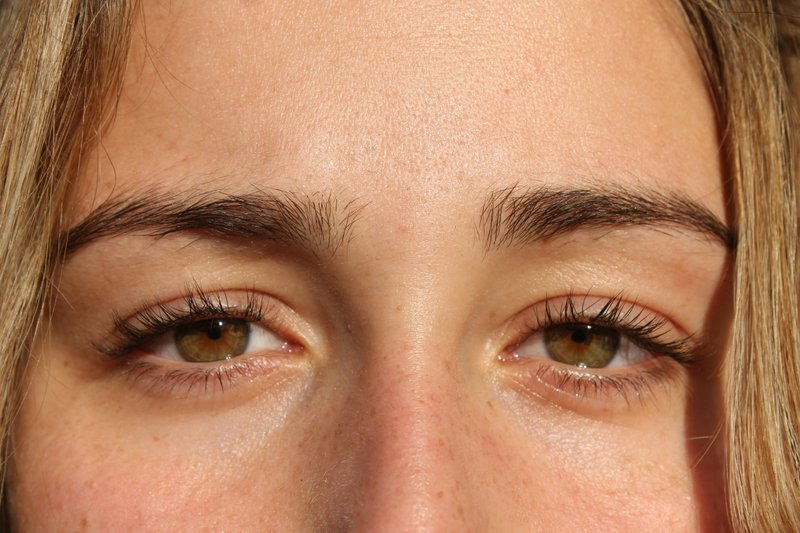
Below are 12 eyelid tattoo concepts that keep circulating in body-mod communities and shock threads. Some are documented on real clients from extreme-mod artists, others are digital mockups that show what the style could look like. Either way, they’re a window into just how far people are willing to push tattoo art — and why most professionals say this particular canvas should stay untouched.
1. The Second Set of Eyes
A fully rendered, wide-open eye inked onto the closed eyelid so that when the wearer blinks, it looks like they’re staring at you constantly. This is the design most people picture when they hear “eyelid tattoo,” and it’s the one that shows up most often in horror movie makeup because the effect is so immediate.
Why it unsettles
Human brains are wired to track eyes. A painted eye that doesn’t blink in sync with the real one triggers an uncanny-valley response almost instantly.
2. Stitched Shut
Thick black cross-stitches inked along the lid crease, mimicking sutures. Paired with pale foundation, the illusion is that the eye has been sewn closed and forced open, a look borrowed heavily from horror props and cosplay artists.
3. The Cracked Porcelain Doll
Fine hairline cracks spidering out from the corner of the eye, styled like a broken ceramic doll face. Some versions add a small chip of “missing” glaze near the lash line for extra effect.
4. Spider on the Lid
A small spider inked so its legs wrap around the curve of the eyelid, with the body resting right at the crease. When the eye is open, the spider appears to be crawling toward the eyeball itself.
A common design family
Insects and arachnids show up often in extreme eyelid work because their segmented shapes naturally follow the lid’s curve, and because the idea of something crawling that close to the eye is an easy scare.
5. The Barcode Blink
A stark black-and-white barcode running horizontally across the lid, referencing themes of surveillance and dehumanization. It’s less gory than most entries on this list but arguably more disturbing in a quiet, dystopian way.
6. Third Eye Symbol
A stylized eye-of-providence or “third eye” motif placed just above the natural eye, on the browbone-to-lid area. Popular in spiritual and occult-inspired body art circles, it’s meant to suggest hidden sight rather than horror, though the effect still reads as eerie to most viewers.
7. The Melting Face
Ink applied to suggest the eyelid and surrounding skin are dripping like wax or paint. Artists achieve this with soft gradient shading that follows gravity lines down from the lash line toward the cheek.
8. Snake Wrapped Around the Socket
A serpent’s body coiled so its head rests on the lid and its tongue flicks toward the tear duct. This design plays on the ancient association between snakes and unblinking, watchful eyes.
9. Clock Face on the Lid
A miniature clock inked onto the eyelid, often with hands stopped at a specific time. The symbolism usually points to mortality or a fixed moment in the wearer’s past, but visually it just looks like a countdown sitting on your eye.
10. Skull Where the Eye Should Be
An entire miniature skull design covering the closed lid, positioned so the skull’s eye sockets roughly line up with where the real eye opens. When the wearer’s eye is shut, it looks like the skull is staring back instead.
11. The Watching Void
A solid black design covering the entire lid with a single white dot or crescent left unshaded to mimic a pupil catching light in the dark. It’s minimalist compared to the rest of this list, but the emptiness is exactly what makes it disturbing.
12. Tears of Ink
A single teardrop shape tattooed at the outer corner of the eye, styled to look permanently wet or bloodshot. Simple in composition, but paired with dark shading it gives the impression of a wound that never heals.
Why Real Eyelid Tattoos Are So Rare
Almost every image in this genre exists as digital art, prosthetic makeup, or a one-off case documented by an extreme body modification practitioner rather than a mainstream tattoo shop. There are strong practical reasons for that.
The skin is dangerously thin
Eyelid skin is among the thinnest on the human body. Needles used for standard tattooing can easily go too deep, risking damage to the eyeball itself, not just the surrounding tissue.
Healing is unpredictable
The eyelid moves constantly through blinking, which makes it difficult for a fresh tattoo to scab and heal properly. Ink can migrate, blur, or trigger chronic irritation.
Infection risk is elevated
Because the area sits so close to the eye’s mucous membranes, infections that would be minor elsewhere can spread toward the eye itself, raising the stakes considerably compared to a tattoo on the arm or back.
Most artists decline the work
Professional tattoo associations and individual artists widely discourage or refuse eyelid tattoos because the risk-to-reward ratio is so poor. Confirmed real-world examples are limited, which is part of why the design mockups and cosplay recreations dominate what circulates online.
Final Thoughts
Eyelid tattoos sit at the extreme edge of body art — more thought experiment and horror-inspired design than common practice. The concepts above show just how creative (and unsettling) artists can get when imagining ink on one of the body’s most sensitive surfaces, even if very few of these designs will ever exist as permanent, professionally done tattoos.